
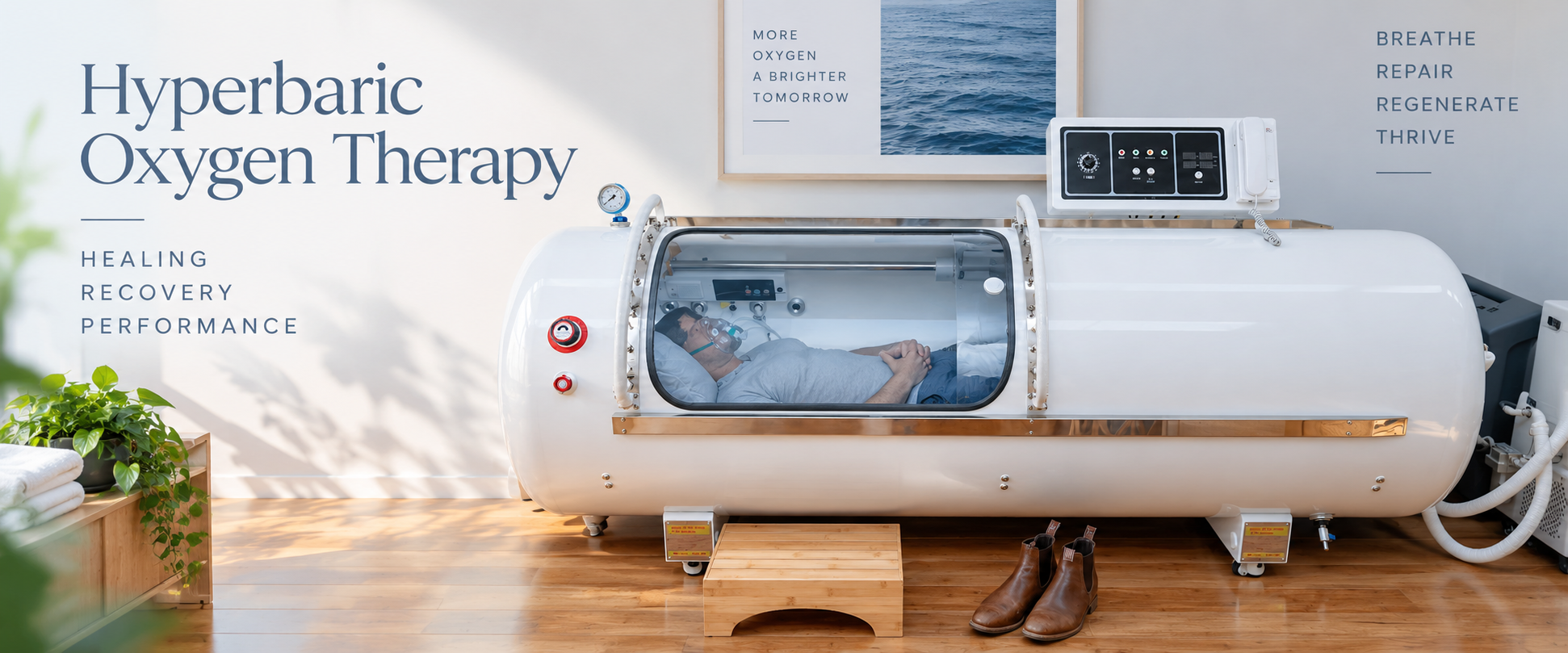
Under normal conditions, oxygen is transported around the body primarily by red blood cells, with only a small amount dissolved directly into the blood plasma. During Hyperbaric Oxygen Therapy, breathing high-concentration oxygen under increased atmospheric pressure allows significantly more oxygen to dissolve directly into the plasma. This oxygen-rich plasma can circulate throughout the body, increasing oxygen availability to tissues, including areas where blood flow and oxygen delivery may be compromised. Increased tissue oxygenation is the basis for many of the physiological effects associated with HBOT and may support processes involved in healing, recovery and tissue repair.
Benefits of HBOT Therapy
-

HBOT increases oxygen availability to tissues throughout the body, supporting the natural processes involved in recovery after physical activity. Increased tissue oxygenation may help reduce post-exercise inflammation, muscle soreness and fatigue, while supporting tissue repair and recovery between training sessions.
This can make HBOT a useful addition to a recovery and performance routine for active individuals and athletes.
-

Inflammation is a natural part of the body’s healing response, but when it becomes prolonged or excessive it can contribute to pain, swelling and delayed recovery. HBOT increases oxygen availability to tissues and may help regulate inflammatory responses and reduce swelling.
By supporting tissue oxygenation and the body’s natural repair processes, HBOT may assist with recovery following injury, physical stress or surgery.
-

Following surgery or injury, the body requires increased oxygen to support the healing and repair of damaged tissues. HBOT increases oxygen availability throughout the body, helping support collagen production, new blood vessel formation and tissue repair.
HBOT may also help reduce post-operative swelling and inflammation, supporting the body's natural recovery processes and helping patients return to normal activity as they heal.
-

Ligaments and tendons naturally have a relatively limited blood supply, which can make recovery from injury a slow process. HBOT increases oxygen availability to tissues and may support the body's natural healing and repair processes, including collagen formation and new blood vessel development.
By supporting tissue oxygenation and helping regulate inflammation, HBOT may be a useful adjunct to rehabilitation and recovery following tendon or ligament injuries.
-

Adequate oxygen is essential for the body’s natural wound-healing processes. HBOT increases oxygen availability to tissues, helping support collagen production, new blood vessel formation and cellular repair.
By improving oxygen delivery to areas where circulation may be compromised, HBOT can support the healing of slow or difficult-to-heal wounds and help create an environment that promotes tissue repair and recovery.
-

Swelling is a natural response to injury, inflammation or surgery, but excessive swelling can cause discomfort and slow recovery. HBOT increases oxygen availability to tissues and may help reduce oedema (swelling) by influencing blood vessel responses and supporting the body’s inflammatory processes.
By helping manage swelling while maintaining oxygen delivery to affected tissues, HBOT may support comfort, mobility, tissue healing and recovery following injury or surgery.
-

Quality sleep plays an important role in the body’s recovery, repair and overall wellbeing. HBOT may support sleep by influencing processes involved in nervous system regulation, inflammation and tissue oxygenation, helping promote a more restorative state.
Some people report feeling calmer, sleeping more deeply and waking more refreshed following HBOT sessions. Research into HBOT and sleep continues to develop, with improvements in sleep quality reported in some clinical studies.
-

The brain has a high demand for oxygen, making adequate oxygen delivery important for normal brain function. HBOT increases the amount of oxygen available to tissues and has been studied for its potential to support brain recovery, circulation and neuroplasticity.
Research is exploring its role in areas such as concussion, traumatic brain injury, cognitive function and neurological recovery. HBOT should be considered a supportive therapy rather than a replacement for appropriate medical assessment and treatment.
-

HBOT increases oxygen availability within the blood and tissues, supporting several of the body’s natural immune and defence mechanisms. Higher tissue oxygen levels can enhance the ability of certain white blood cells to kill bacteria and can also inhibit the growth of some microorganisms that thrive in low-oxygen environments.
By supporting immune activity, tissue oxygenation and wound healing, HBOT can play an important role in the management of certain serious infections when used alongside appropriate medical treatment.
-

Radiation therapy can sometimes cause long-term changes to healthy tissues, including reduced blood supply, decreased oxygenation and delayed healing. These effects may develop months or even years after treatment.
HBOT increases oxygen delivery to affected tissues and can help stimulate new blood vessel formation, collagen production and tissue repair. It is an established medical treatment for certain delayed radiation injuries, including damage to soft tissue and bone.
By improving oxygenation in areas where circulation has been compromised, HBOT can help support healing and recovery of radiation-damaged tissue.
-
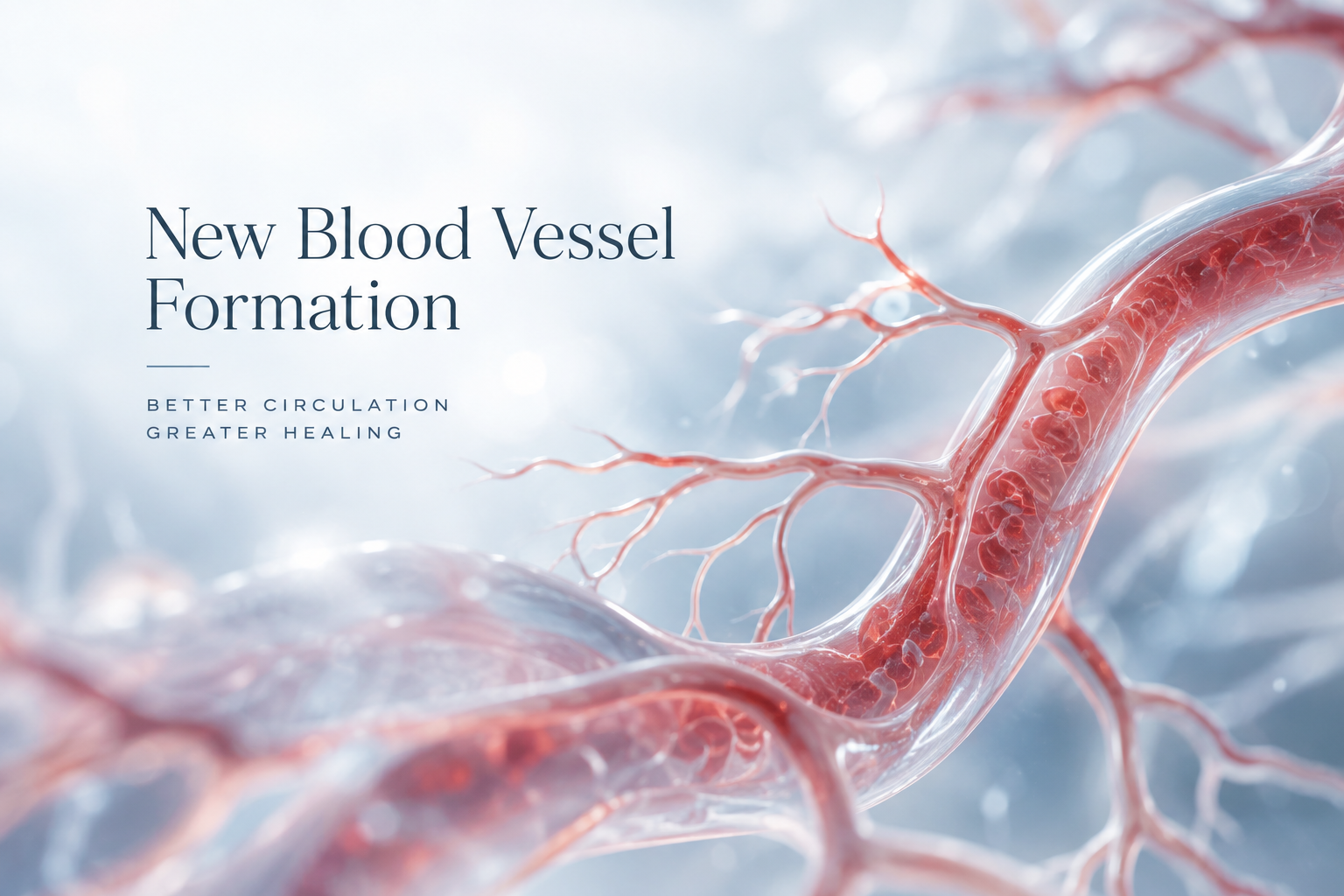
HBOT increases oxygen levels within tissues, which may help stimulate angiogenesis — the growth and development of new blood vessels. These new vessels can help improve circulation and the delivery of oxygen and nutrients to areas where blood flow may be reduced.
This process can play an important role in wound healing, tissue repair and recovery, particularly in tissues affected by injury or compromised circulation.
-
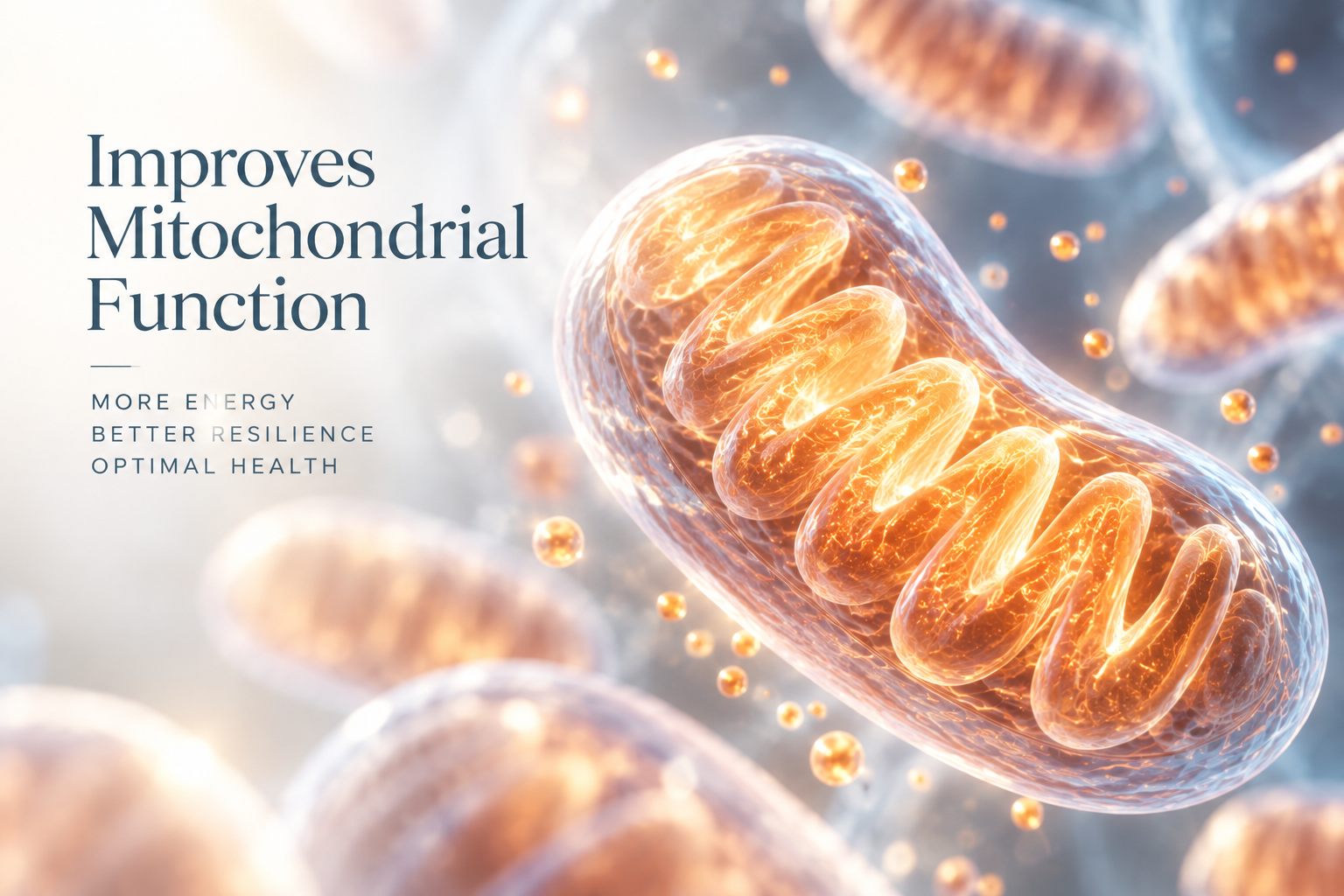
Mitochondria are often referred to as the powerhouses of our cells, using oxygen to help produce the energy needed for normal cellular function. HBOT significantly increases oxygen availability throughout the body, which may help support mitochondrial activity and cellular energy production.
Supporting healthy mitochondrial function may contribute to energy, cellular repair, recovery and overall tissue function, making this an interesting area of ongoing HBOT research.
-

HBOT increases oxygen availability to the skin and surrounding tissues, supporting the natural processes involved in cellular repair and collagen production. Increased tissue oxygenation may help support skin healing, regeneration and overall skin health, while promoting the formation of new blood vessels that help deliver oxygen and nutrients to tissues.
HBOT is also used clinically in certain complex wounds, burns and radiation-related tissue injuries, where supporting tissue healing and oxygenation is particularly important.
-

HBOT may be used as a supportive therapy alongside conventional cancer care, with a focus on helping the body recover from the effects of treatment. By increasing oxygen availability to tissues, HBOT can support tissue repair, wound healing and recovery, and is an established treatment for certain radiation-related tissue injuries.
Some people also use HBOT during their cancer journey to support their overall wellbeing and recovery between treatments. HBOT does not treat the cancer itself and should always be used in consultation with the patient’s treating medical team.
-

Oxygen plays an essential role in cellular energy production. HBOT increases the amount of oxygen available within the blood and tissues, supporting the processes cells use to produce energy.
Some people report improved energy levels and reduced feelings of fatigue following HBOT. Research has also explored HBOT in conditions associated with persistent fatigue, although responses vary and further research is ongoing.